
Service in the Law: Michelle Reed (‘03)
By Jane Salgado
Michelle Reed (‘03) has devoted much of her legal career to expanding access to justice. Alongside a busy schedule as a partner and Global Co-Chair of the Data Privacy & Cybersecurity group at Paul Hastings LLP, she devotes time to service on the BYU Law Alumni Board, to her many pro-bono cases, and at home to her family and four children.
Despite this, becoming a lawyer wasn’t always her plan.
“I had come around to the idea of law school a little bit late,” Reed said. “Law school was supposed to be a stop on my way to getting my PhD, and I ended up embracing law practice because I loved it so much.”
With encouragement from her husband John Reed and Professor David Thomas, who later became her property law professor, Reed took the LSAT just two months before classes began and says she knew little to nothing about law school before starting. With the help of professors and fellow students, however, it quickly became an overwhelmingly positive experience.
“Just because you don’t have a lawyer in your family, it doesn’t mean you can’t be a fantastic lawyer. Everyone can be successful. You just have to roll up your sleeves and get to work and have a vision about what you want to become.”
In her time at BYU Law, Reed developed deep relationships with professors and peers, and credits the law school with excellent preparation for her career. In particular, she points to BYU’s legal writing program, started by Professor Kristin Gerdy Kyle, as a unique and valuable aspect of her legal education.
“In my time there, I learned how to be a lawyer: how to think like a lawyer, and how to be a strong advocate,” Reed said. “The writing program is second to none. I don’t think there’s a single writer that comes out of BYU not knowing how to write well, to persuade, and to be clear.”
Just as important as BYU Law’s “deep and balanced legal curriculum” is its commitment to fostering consistent service to others, Reed says.
“[BYU Law] teaches you how to be a leader. Lawyers have opportunities throughout their entire career to lead, and BYU Law sets you up for that with a servant-leadership mindset. That is a game-changer for people in whatever area they practice.”
That mindset has led Reed not only in her professional career, but in volunteer roles, including the BYU Law Alumni Board as its Co-Chair of the Class Presidents Committee, former chair of the Dallas Fort-Worth J. Reuben Clark Law Society chapter, and in meaningful responsibilities with nonprofits and pro-bono cases.
“All of that is tied to the vision created by the law school that we’re not just here for ourselves,” Reed said. “We’re here to help other people. When I looked back at where I’ve been throughout my life, and at the opportunities that BYU Law gave me, I felt an obligation to serve.”
Throughout her career, Reed has observed the impact that robust alumni networks can have on career opportunities for new lawyers as well as building a sense of community for those already established in the legal world. She hopes that her work with the Alumni Board can contribute to forming such a network for BYU Law alums.
“ I truly think the BYU Law Alumni Board is the chance to inspire people who have graduated who may feel disconnected–to try to spread the message of networking to everyone,” Reed said. “ I’ve seen incredible networks in my career. We need to be a place where we say, that’s who you should hire. You should hire the BYU Law Alumni, because they know what they’re doing and they’re incredible."
After taking classes in family and immigration law in law school, Reed was inspired to take on pro bono cases after graduation. While in her first year at a law firm, she took a domestic violence protective order case, and started working on immigration asylum cases in 2006.
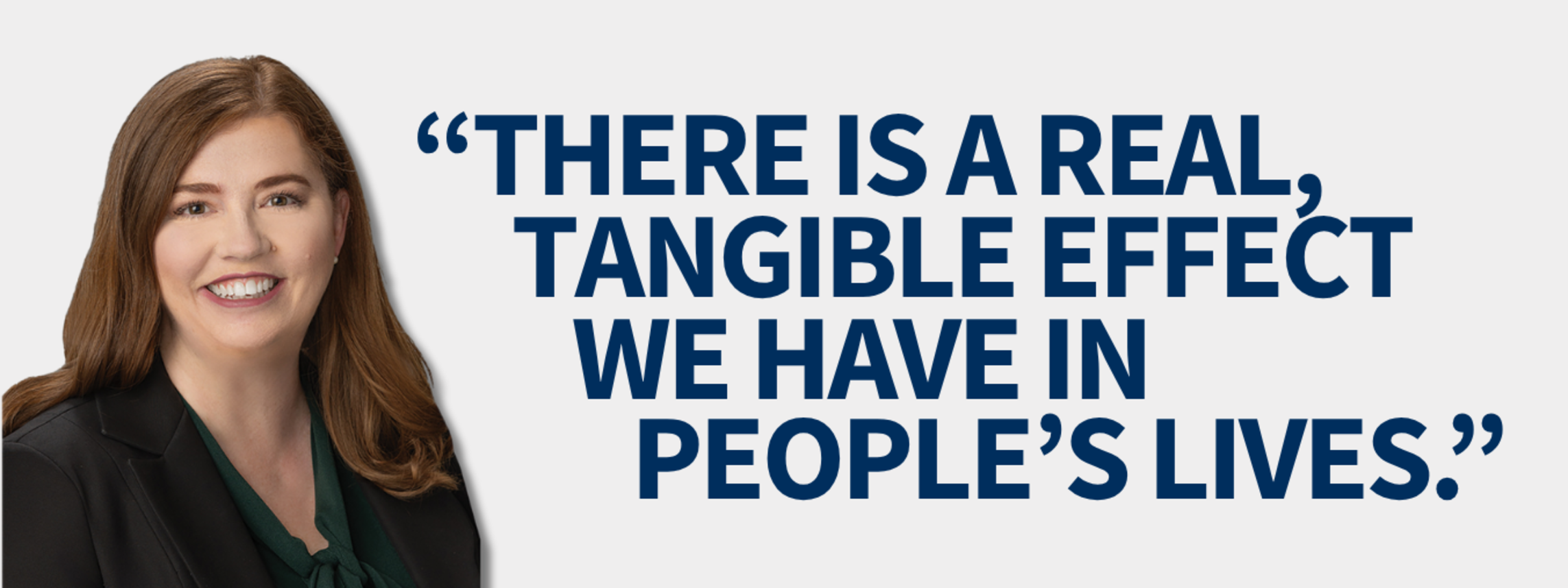
She reflects on her request as a first year associate : “I went in to see my boss and said, ‘Hey look, I know we’re really busy, but pro bono work is something I really care about and if it’s okay, I would like to take a case.’ He said yes, and from that time on, I’ve held at least one pro bono case at a time–even through three parental leaves. I’m grateful that I was able to become a lawyer. There is a real, tangible effect we have in people’s lives.”
In the ensuing 20 years, pro-bono work has allowed Reed to serve and develop relationships with individuals from all over the world, including Somalia, Burundi, El Salvador, and other countries. Although her area of expertise is in cybersecurity law, Reed says that her legal education prepared her to tackle a wide range of issues.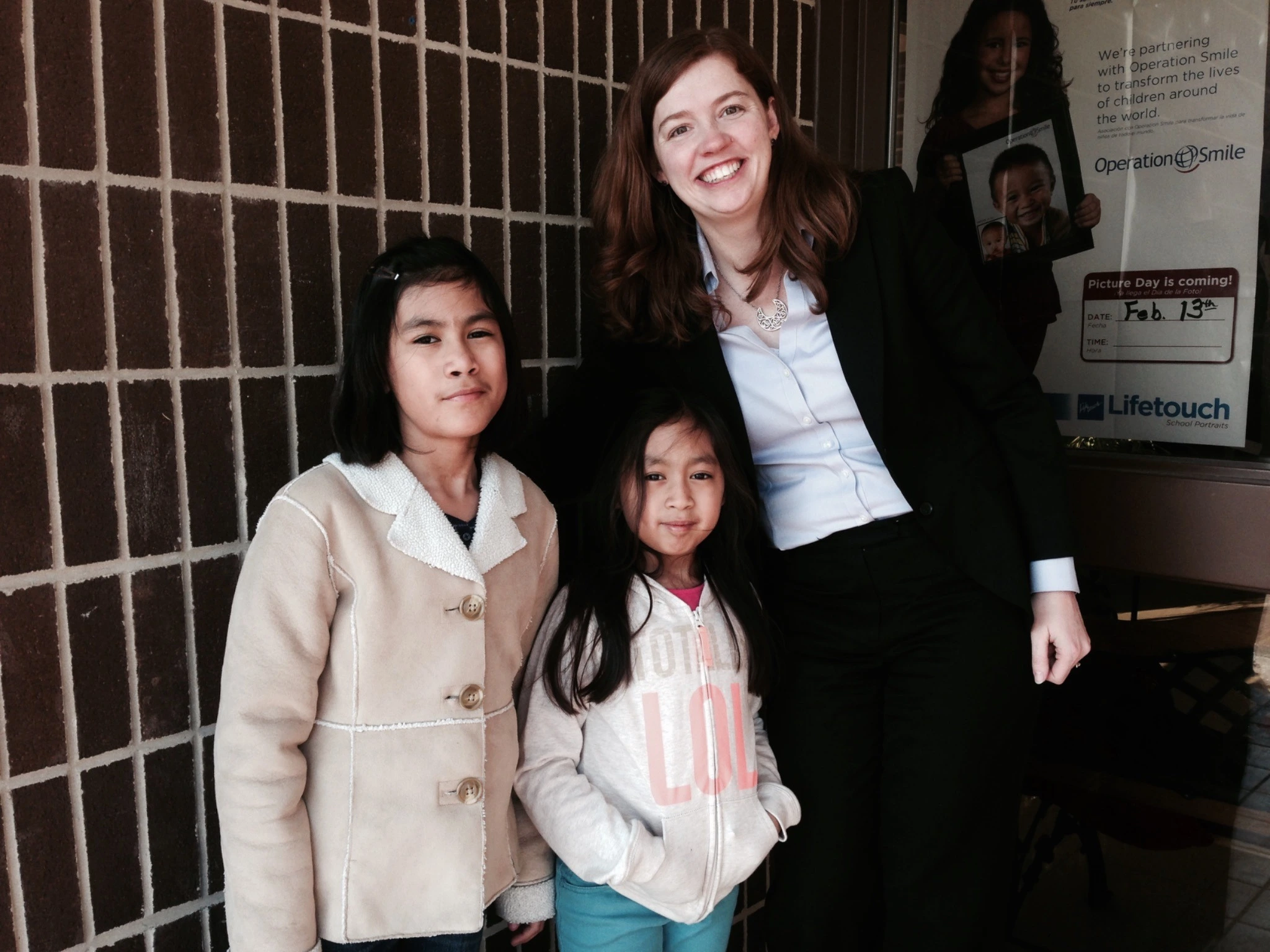
“I have been shocked by how many opportunities there are to serve in your community,” Reed said. “You have to be the one who will answer the phone, and instead of saying: ‘I’m too busy, or I don’t know how to do that, or that’s not my practice area,’ be the one to say, ‘I don’t know how to do that, but I’ll figure it out.’”
Amid responsibilities to both paid and pro-bono clients, as well as her family, Reed’s husband plays an important role supporting her in these various endeavors.
“I have an amazing husband,” Reed said. “I can’t overstate that. He was so supportive in encouraging me to pursue law school, throughout law school, and in my current career.”
Early in her career while working part-time, Reed used days off from work to meet with pro-bono clients, often bringing her young children in tow. At one point, obligations to a pro-bono client with a December 26 asylum hearing even meant taking a late Christmas-Day flight to South Texas after celebrating her newborn twins’ first holiday.
“I look back and I see all of the ways that my legal career has interwoven with my kids,” Reed said. “They watched me serve people from all over the world. It is definitely a sacrifice of time – you have to come together as a team and as a family to accomplish all of the ways that the Lord would have us serve.”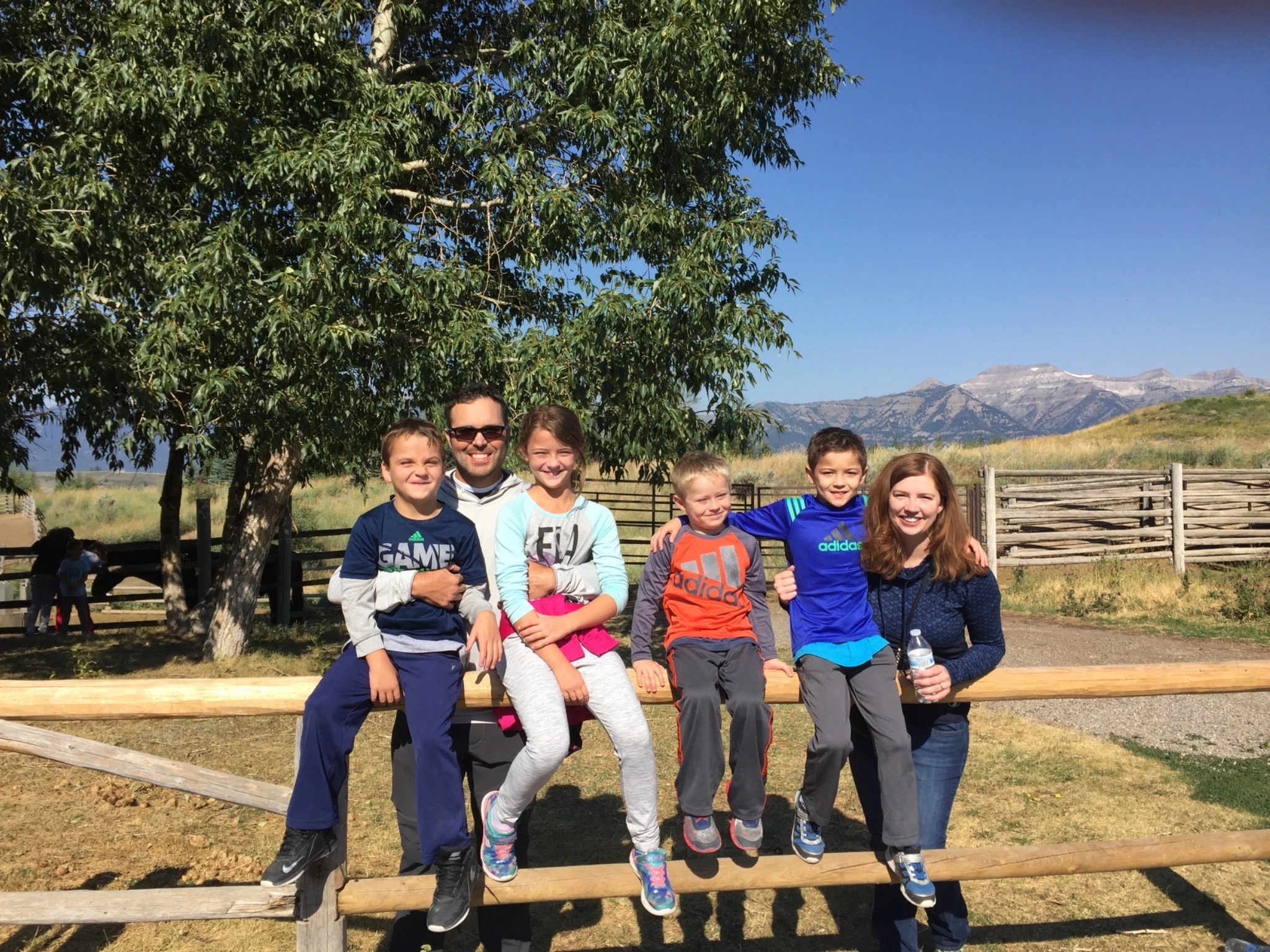
She says that while taking on these cases can at times be inconvenient, it makes all the difference for individuals facing an often unforgiving legal system.
“When I look back on my career, I’ve done a lot of really cool things, and I hope I’m not done yet,” Reed says. “But the greatest thing I’ve been able to do is to help real people get access to justice. The number of people whose lives have been changed because God worked with me as an instrument has brought more joy to me and my family than I can express.”