
Turning Adversity into Advocacy: Amaris Leiataua (‘24)
Written by Spencer Schlag
If you are wondering how to pronounce the name of Amaris Leiataua correctly, she will provide you with the method used by her high school choir teacher: “it’s pronounced like Glamorous minus the Gl-” or you can call her “Glamorous Amaris.” Though the circumstances surrounding Amaris in her youth were anything but glamorous, she persevered and charted a path of selfless service and outstanding achievement. Growing up in Compton, California, her assigned sleeping space was a 5 x 8-foot rectangle on the living room floor, crammed in between two of her sisters. It was the only way to fit her 23 family members in their small, one-bathroom house. Canned sardines and ramen noodles made near nightly appearances at the dining table, because that was what her immigrant Samoan parents could afford working in a sausage factory, delivering the L.A. Times, and collecting pallets. Outside of their house, the relentless barrage of police sirens, helicopters, and gunshots made their small home a refuge where Amaris learned “Fa’a Samoa” – Samoan cultural norms of service, sacrifice, and duty to one’s family and community. Amaris acts as a veritable embodiment of this phrase. It represents family, community, and the responsibility to give back.
 Amaris is a proud product of the Compton Unified School District public schools. These were Title 1 public schools where more than 40% of families lived below the poverty line, there were high turnover rates of teachers, an active on-campus school police presence, and a security metal detector to enter her high school. While she graduated high school as the Salutatorian, as a first-generation college student, Amaris nearly didn’t apply to college because she didn’t know how to. Days before applications were due, a volunteer college student counselor told her that she should apply. She applied to three universities: BYU, UCLA, and UC Berkeley—and was accepted into all three. She chose to attend the prestigious UC Berkeley, where she thrived.
Her upbringing and educational experiences continued to shape her path. For nearly a decade before law school, Amaris worked in education with one clear goal: to increase the number of underrepresented students going to college. In 2014, she earned a master’s degree from UCLA, an experience she describes as transformative. She also taught seventh graders in the Compton Unified School District and was the girls' basketball coach. She describes teaching as the highlight of her professional career. “I’m pretty sure I have a seat reserved for me in Heaven for that,” she jokes. One moment stands out above the rest: during a recent visit back to Compton, a former student ran up to her to share the news that she had been accepted to UC Berkeley.
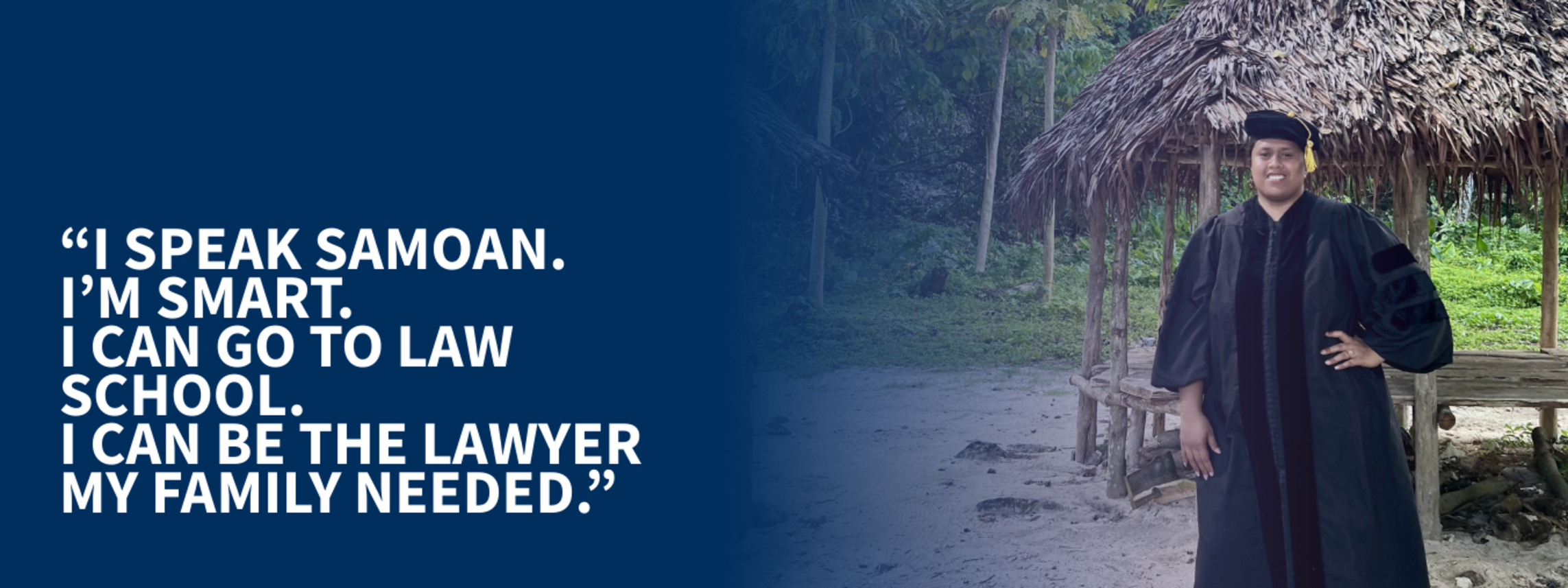
Although Amaris had once dreamed of becoming a lawyer, she felt inadequate and uncertain until a traumatic experience changed everything. In the early hours of the morning, police raided her family’s home. SWAT officers in full gear pointed guns at her and ordered everyone outside. For the first time in her life, Amaris was afraid to speak, fearing she might be shot. Moments later, officers admitted they had the wrong house. “There was no apology,” she says. “It was traumatic, especially because my family is a law-abiding, community-serving, and active in the Church family.” When her family tried to find legal help, they hit another wall. Her family didn’t speak good English, and there were no Samoan lawyers who could help. That was the moment Amaris made a crucial decision: “I speak Samoan. I’m smart. I can go to law school. I can be the lawyer my family needed.”
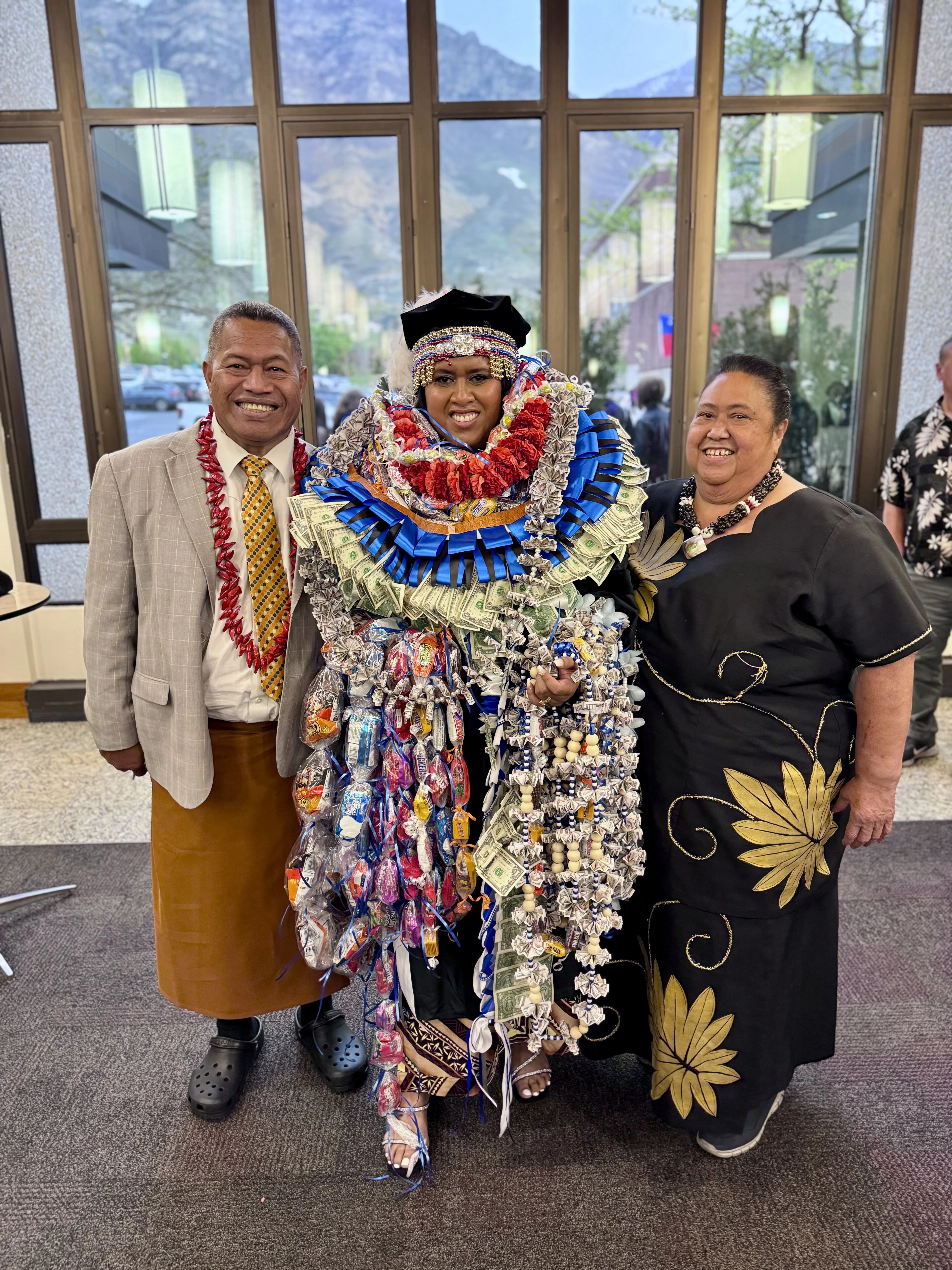
Amaris was accepted to multiple law schools, but she didn’t want to graduate with a mountain of debt. Her brother was playing football at BYU, Utah had the fastest-growing Pacific Islander population, and after praying about it, she felt BYU was the right choice for her. She ultimately attended all three universities she had applied to as a high school senior. She is deeply grateful for the opportunities BYU provided. “I wouldn’t be where I am now if I hadn’t gone to BYU,” she says. The scholarships and financial support allowed her to focus on school rather than working 40-hour weeks, as she had done while attending UC Berkeley. It relieved a huge burden from Amaris and her family. As she describes it, "I'm very grateful for all the lifelong friends I made, the connections provided, and all the scholarship money I earned from BYU because my family is poor.” The BYU Law connections Amaris made, including caring professors, administrators, and mentors, deeply shaped her desire and ongoing efforts to generously give back as a mentor to many.
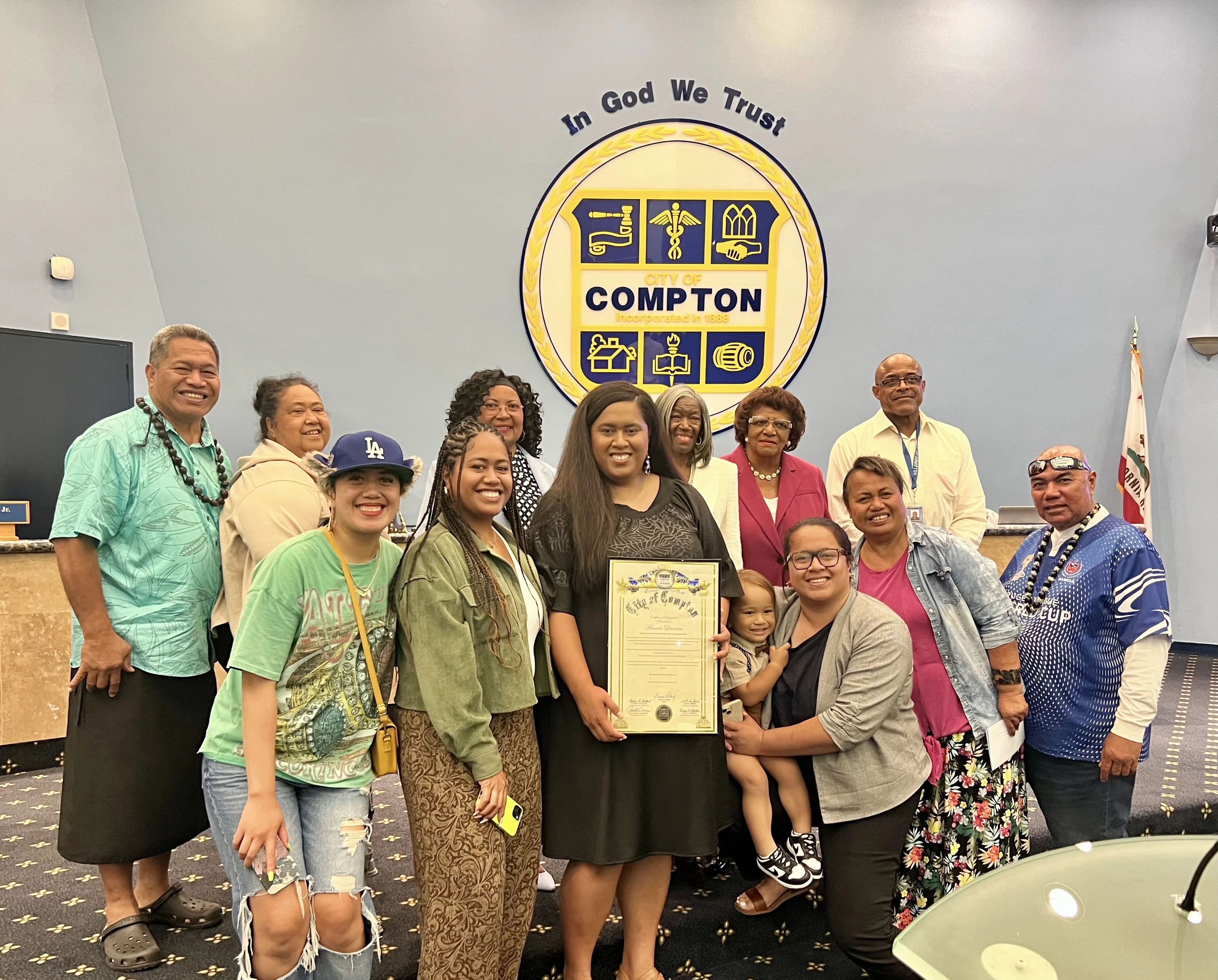
Today, Amaris is a real estate attorney at Holland & Hart LLP, where she focuses on a variety of real estate transactions, regulatory compliance, and international real estate work. A giant framed award from the Los Angeles County Board of Supervisors hangs proudly in her law office as a sign of her journey: the first Samoan from Compton to earn a Juris Doctorate. The achievement represents more than a personal milestone. In 2024, the ABA reported that just 1% of all lawyers were Native American, Native Hawaiian, or Pacific Islander—the same as a decade earlier. Disaggregated further to only Samoans, Amaris knows fewer than 10 Samoan attorneys in the entire nation.
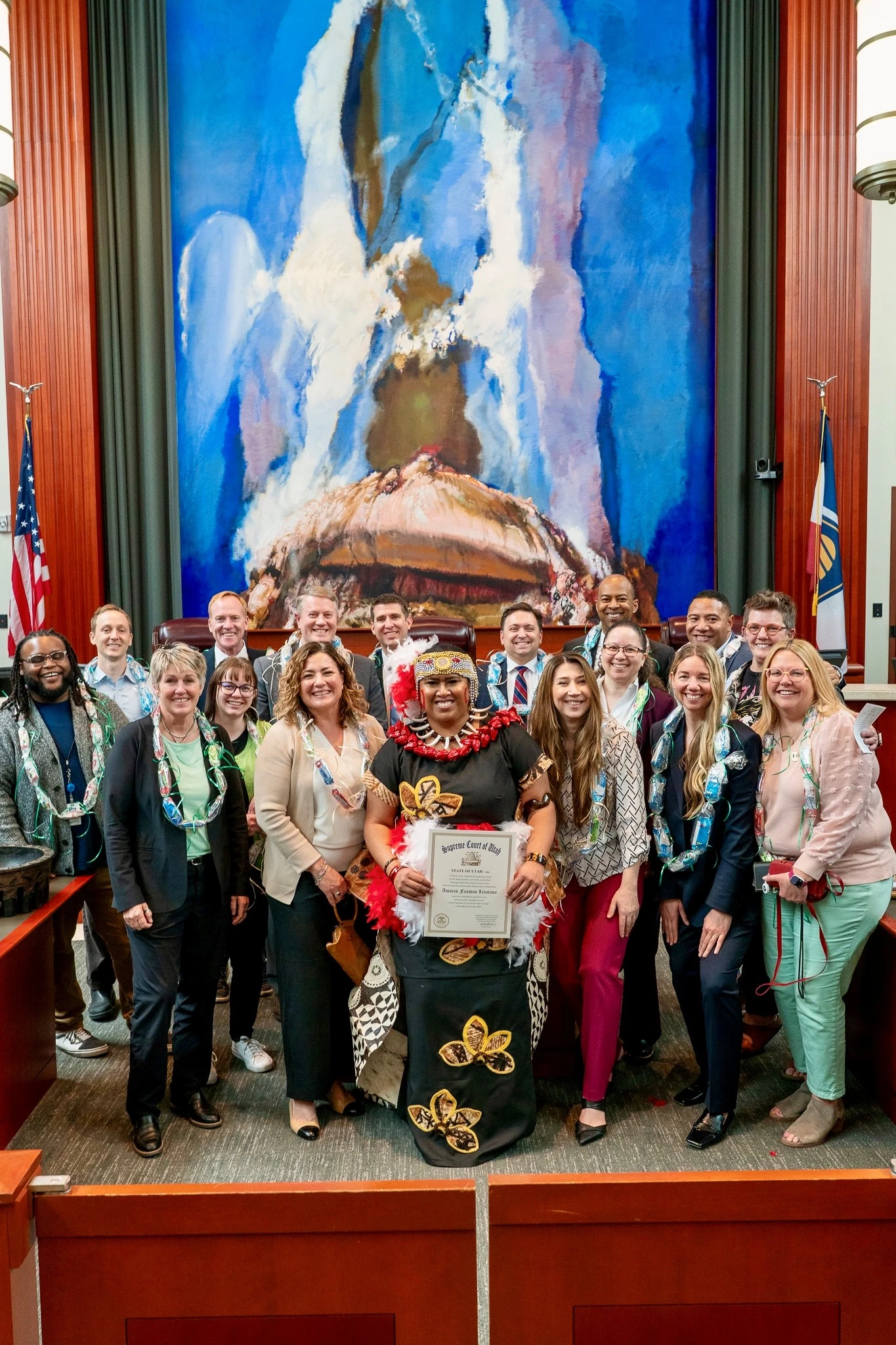
Amaris also serves as secretary of the Utah Minority Bar Association (UMBA). The organization works to address racial inequities in Utah’s legal field and to create a pipeline for minority attorneys. Recently, UMBA raised over $60,000 in scholarships for law students at BYU and the University of Utah. Prior to serving as the
secretary, Amaris had received help from UMBA. Through UMBA, Amaris was provided the opportunity to be mentored by lawyers. Up to that point, “The only lawyers I knew were on Law & Order or on the L.A. Metro buses,” she says. Because of the positive influences of guiding figures in her life, mentorship has become central to her mission. She regularly meets with law students, prospective applicants, and young attorneys, free of charge. “I’m trying 100% to be the person I needed when I was in law school,” she says. “I don’t want anything in return.”
Amaris makes a conscious effort to remember where she came from. Every day, she practices gratitude. “I’m on the top floor of a top law firm in Salt Lake City,” she reflects. “I never forget my beginnings.” Her story is a testament to what is possible with hard work, community, and courage. Her experience at BYU Law helped mold her future efforts in being a mentor and guide for marginalized students. Amaris is a wonderful example of courage, perseverance, and the impact that the selfless service of BYU Law graduates can have on the lives of others.